







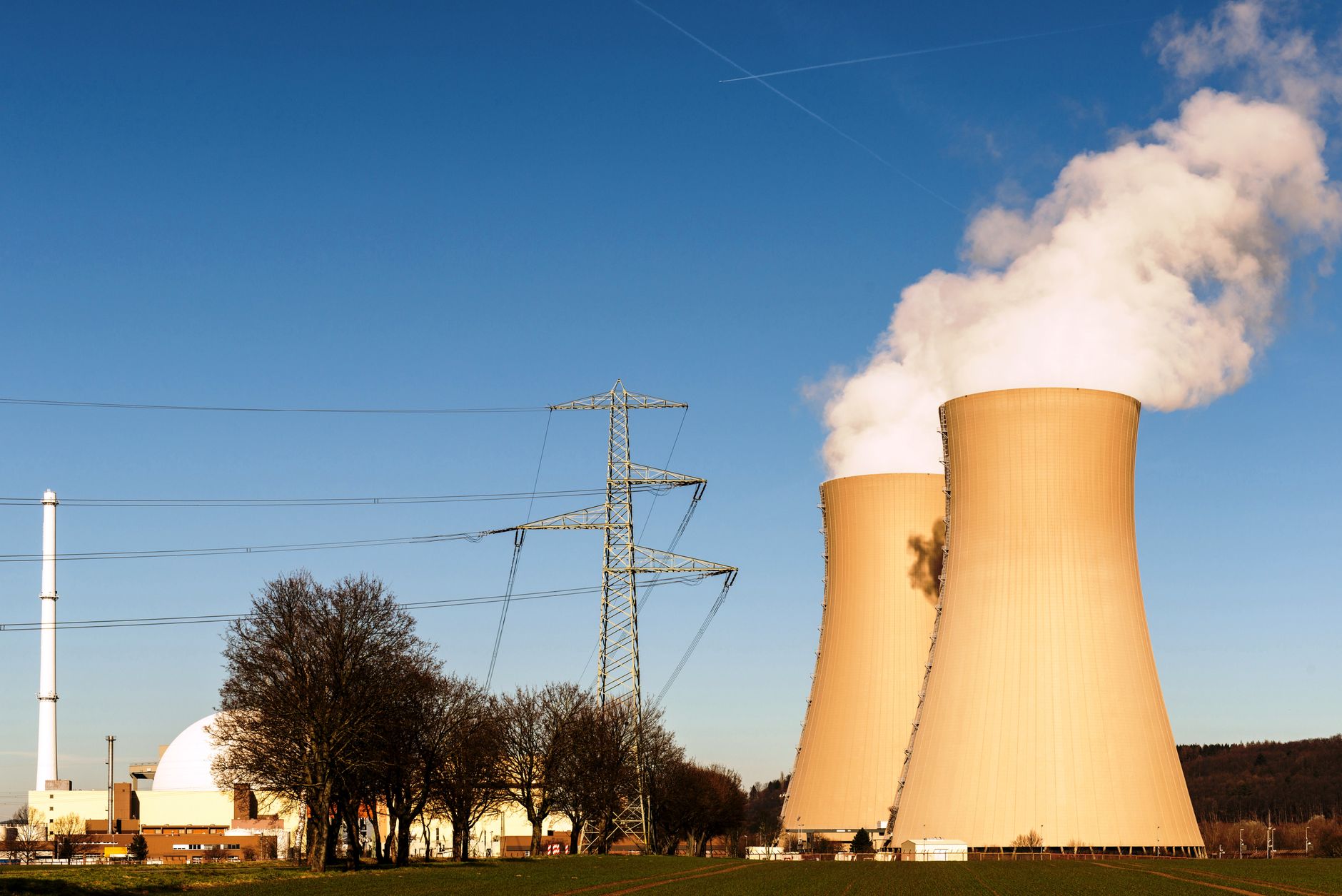
nuclear power investment is a key focus of the recent IIFCL-TERI National Policy Dialogue. This event aims to explore innovative financing solutions to boost nuclear energy initiatives in India.
Understanding Nuclear Power Investment
Nuclear power investment has emerged as a critical focus in the quest for sustainable energy solutions. As global energy demands grow, the need for reliable and low-carbon energy sources becomes increasingly important. The recent IIFCL-TERI National Policy Dialogue highlighted the necessity of unlocking nuclear power investment through innovative financing strategies.
Understanding the complexities of financing nuclear projects is essential for stakeholders involved in the energy sector. Key strategies discussed at the dialogue included:
- Public-Private Partnerships: Collaborations between government entities and private investors can facilitate large-scale nuclear projects.
- Innovative Financial Instruments: Utilizing bonds and other financial products can help attract capital for nuclear investments.
- Regulatory Frameworks: Establishing clear and supportive regulations is vital to instill confidence among potential investors.
- International Cooperation: Countries can share knowledge and resources to promote nuclear energy development globally.
By addressing these factors, stakeholders can create a more favorable environment for nuclear power investment, ultimately contributing to a cleaner and more secure energy future.
The Role of Financing in Energy Policy
The financing of nuclear power investment plays a crucial role in shaping energy policies that aim to address both environmental concerns and energy security. As countries grapple with the dual challenges of meeting rising energy demands and reducing carbon emissions, the need for substantial investment in nuclear energy becomes increasingly evident.
Strategic financing mechanisms can facilitate the development of nuclear projects, enabling nations to harness the benefits of this low-carbon energy source. Key aspects of financing in this sector include:
- Public-Private Partnerships: Collaborations between government bodies and private investors can help share the financial burden and mitigate risks associated with nuclear power projects.
- Innovative Funding Models: Utilizing green bonds and other financial instruments can attract investment specifically aimed at sustainable energy solutions.
- International Cooperation: Countries can benefit from shared expertise and funding through partnerships that promote nuclear technology development.
Ultimately, effective financing strategies are essential for unlocking nuclear power investment and ensuring that it plays a significant role in future energy systems. By prioritizing these strategies, policymakers can pave the way for a cleaner and more sustainable energy landscape.
Key Insights from the IIFCL-TERI Dialogue
The recent IIFCL-TERI National Policy Dialogue highlighted several key insights regarding nuclear power investment and its significance in the current energy landscape. Experts emphasized the necessity of innovative financing mechanisms to attract both public and private sector investments.
- Public-Private Partnerships: Collaborative frameworks between governments and private entities were discussed as vital for sharing risks and resources, thus enhancing the feasibility of nuclear projects.
- Regulatory Frameworks: A transparent and streamlined regulatory environment is critical for building investor confidence. Policymakers must ensure that regulations keep pace with technological advancements.
- Funding for Research and Development: Increased investment in R&D is essential to foster innovation in nuclear technology, making projects more attractive to investors.
- Global Cooperation: International collaboration can facilitate knowledge sharing and provide access to financing models that have proven successful in other regions.
Overall, the dialogue underscored that unlocking nuclear power investment requires a multifaceted approach that combines strategic financing, robust policies, and collaborative efforts across various sectors.
Challenges in Nuclear Energy Financing
Nuclear power investment faces several significant challenges that can hinder its growth and development. One of the primary concerns is the high upfront capital costs associated with building nuclear facilities. These costs can deter both public and private investors, leading to financial hesitance in engaging with potential projects.
Additionally, regulatory hurdles often complicate financing efforts. The intricate processes involved in securing the necessary approvals and meeting safety standards can extend project timelines, further increasing costs and risk in the eyes of investors.
Moreover, public perception of nuclear energy plays a crucial role in shaping investment decisions. Concerns about safety, waste management, and environmental impact can generate opposition, making it difficult to gather the needed support for financing initiatives.
The fluctuating demand for energy also affects the stability of investments. With the rise of renewable energy sources, potential investors may question the long-term viability of nuclear power, leading to uncertainty in funding.
To overcome these challenges, stakeholders must develop innovative financing strategies and foster collaborative efforts to enhance the attractiveness of nuclear power investment.
Future Trends in Energy Investment
As the global energy landscape evolves, future trends in energy investment indicate a growing emphasis on nuclear power investment. This shift is driven by several key factors that are reshaping the energy market.
Firstly, the urgent need to reduce carbon emissions has led governments and corporations to seek cleaner energy sources. Nuclear power, known for its low greenhouse gas emissions, is increasingly seen as a viable solution to meet climate goals.
Secondly, advancements in technology are making nuclear energy safer and more efficient. Innovations in small modular reactors (SMRs) and fusion technology are attracting interest from investors, offering the potential for more flexible and cost-effective energy production.
Additionally, regulatory frameworks are evolving to support nuclear power investment. Governments are implementing policies that provide financial incentives for nuclear projects, which can lower the barriers to entry for private investors.
In tandem with these trends, public perception of nuclear energy is gradually improving, spurred by educational initiatives and successful projects worldwide. This changing narrative is vital for securing necessary funding and fostering a sustainable energy future.
Overall, the future of energy investment is poised to embrace nuclear power as a cornerstone of a low-carbon economy.
Photo by Wolfgang Weiser on Pexels
Read the original
Related stories
16-Inch Gaming Laptops: Best Upgrade with RTX 5070 Inside · UPI Tap & Pay: The Smart Way to Use NFC Payments · Update to iOS 27: The Best Simple Guide for Everyone