






US data centers are increasingly encountering challenges as community pushback grows over resource use and environmental concerns. This trend highlights the need for sustainable practices in the industry.
Understanding the Resource Challenges
The rapid growth of US data centers has led to significant challenges regarding resource allocation in various communities. As these facilities expand, they require vast amounts of energy, water, and land, which has sparked increased scrutiny and resistance from local residents and officials. The demand for resources has created a complex situation where local governments must balance economic development with environmental sustainability and community well-being.
Several factors contribute to the community pushback against data centers:
- Energy Consumption: Data centers consume an enormous amount of electricity, often derived from non-renewable sources, raising concerns about carbon emissions and the sustainability of energy grids.
- Water Usage: These facilities require substantial water for cooling systems, which can strain local water supplies, particularly in areas facing drought or water scarcity.
- Land Use: The physical footprint of data centers can disrupt local ecosystems and lead to land-use conflicts, especially in rural or undeveloped areas.
- Community Impact: Increased traffic, potential noise pollution, and changes to the local landscape can affect the quality of life for nearby residents.
As the demand for digital infrastructure continues to rise, resolving these resource challenges will be crucial for the sustainable development of US data centers and the communities that host them.
Community Concerns About Data Centers
As the demand for digital services continues to grow, US data centers are increasingly facing significant pushback from local communities concerned about their environmental impact and resource consumption. Residents and advocacy groups are raising alarms over several key issues that are becoming focal points in the debate.
- Water Usage: Data centers consume vast amounts of water for cooling, which can strain local water supplies, especially in regions already facing drought conditions. Communities worry that this could lead to shortages for drinking and agriculture.
- Energy Consumption: The energy needs of data centers are immense, often relying on non-renewable sources. This raises concerns about greenhouse gas emissions and the overall carbon footprint, prompting calls for more sustainable practices.
- Noise Pollution: The operation of large-scale facilities generates significant noise, which can disrupt the peace of nearby neighborhoods, leading to complaints and resistance from residents.
- Land Use: The construction of new data centers often requires large tracts of land, which can lead to the displacement of wildlife and changes in local ecosystems.
As communities become more vocal about these concerns, data center operators are being urged to engage in dialogue and find solutions that balance technological growth with environmental stewardship.
Policy Changes Impacting Data Centers
In recent months, a series of policy changes have significantly impacted the operations of US data centers, leading to increased pushback from local communities. As these facilities expand to meet the growing demand for cloud services and digital storage, they often encounter regulatory hurdles that aim to protect local resources.
Many municipalities are now implementing stricter zoning laws and environmental regulations that directly affect the establishment and expansion of data centers. This shift is largely driven by concerns over resource consumption, particularly in areas where water and energy are already scarce. The following key policy changes have emerged:
- Increased Water Use Restrictions: Local governments are prioritizing water conservation, leading to limitations on the amount of water data centers can draw for cooling systems.
- Heightened Energy Efficiency Standards: New regulations require data centers to adopt more energy-efficient technologies, which can increase operational costs and complicate compliance.
- Community Engagement Mandates: Many jurisdictions are now requiring data centers to engage with local stakeholders and address community concerns before approval of new projects.
As a result, these policy changes are forcing US data centers to rethink their operational strategies and invest in more sustainable practices to appease both regulators and the communities they serve.
Sustainable Practices in the Industry
The growing concerns surrounding US data centers have prompted a significant shift towards sustainable practices within the industry. As communities voice their apprehensions regarding resource consumption, data center operators are increasingly adopting eco-friendly measures to alleviate local tensions.
One of the primary strategies employed is the transition to renewable energy sources. Many data centers are now investing in solar and wind energy, aiming to reduce their carbon footprints and dependence on fossil fuels. This shift not only addresses environmental concerns but also enhances their resilience against fluctuating energy costs.
In addition to energy sourcing, data centers are focusing on improving energy efficiency. This includes the implementation of advanced cooling technologies that minimize energy usage while maintaining optimal operational conditions. Furthermore, some facilities are exploring innovative designs that integrate natural cooling methods, such as utilizing ambient temperatures or water sources.
Another noteworthy practice is the commitment to water conservation. With many data centers relying heavily on water for cooling, efforts are underway to recycle water and invest in more sustainable cooling systems. This approach not only conserves vital resources but also helps to mitigate the impact on local water supplies.
As the industry evolves, the emphasis on sustainability will likely play a crucial role in addressing community pushback, ensuring a more harmonious coexistence between US data centers and the communities they serve.
Future of Data Centers in the US
The future of data centers in the US is increasingly uncertain as community pushback grows over resource usage and environmental impacts. As the demand for data storage continues to soar, operators must navigate a complex landscape of public opinion and regulatory measures.
Many communities are expressing concerns about the effects of large-scale data centers on local resources, including water and energy. These facilities consume vast amounts of electricity and water, leading to increased scrutiny from residents and local governments. As a result, some municipalities are implementing stricter regulations to mitigate the environmental footprint of these operations.
In response, the data center industry is exploring several strategies to address community concerns:
- Improving Efficiency: Companies are investing in advanced technologies to enhance energy efficiency and reduce resource consumption.
- Renewable Energy: Many operators are committing to using renewable energy sources, such as solar and wind, to power their facilities.
- Community Engagement: Data center operators are increasingly focusing on community outreach, aiming to foster positive relationships and address local concerns directly.
As the landscape evolves, it will be crucial for data centers in the US to balance operational growth with sustainable practices and community well-being. The outcome of this balancing act will shape the future of the industry and its role within local communities.
US data centers are increasingly facing scrutiny from local communities concerned about resource depletion. As the demand for digital services grows, US data centers must find a balance between expansion and community needs.
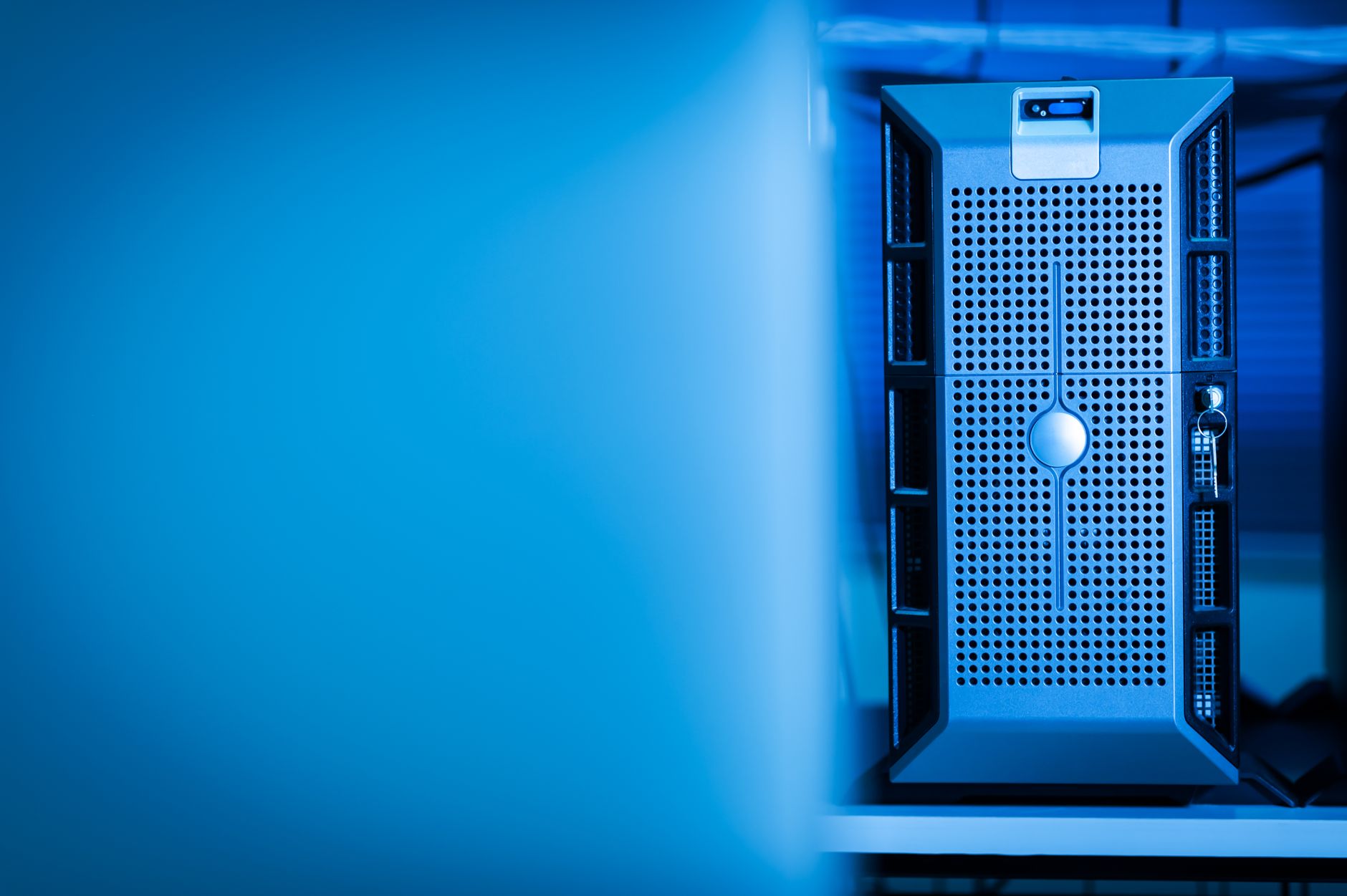
Photo by panumas nikhomkhai on Pexels
References
Prepaid family plan: Is it the Best Value for You? · Nvidia AI models: Best Proven Strategies for Success · Honor WIN 2 Camera: Best Setup Without Telephoto Lens