







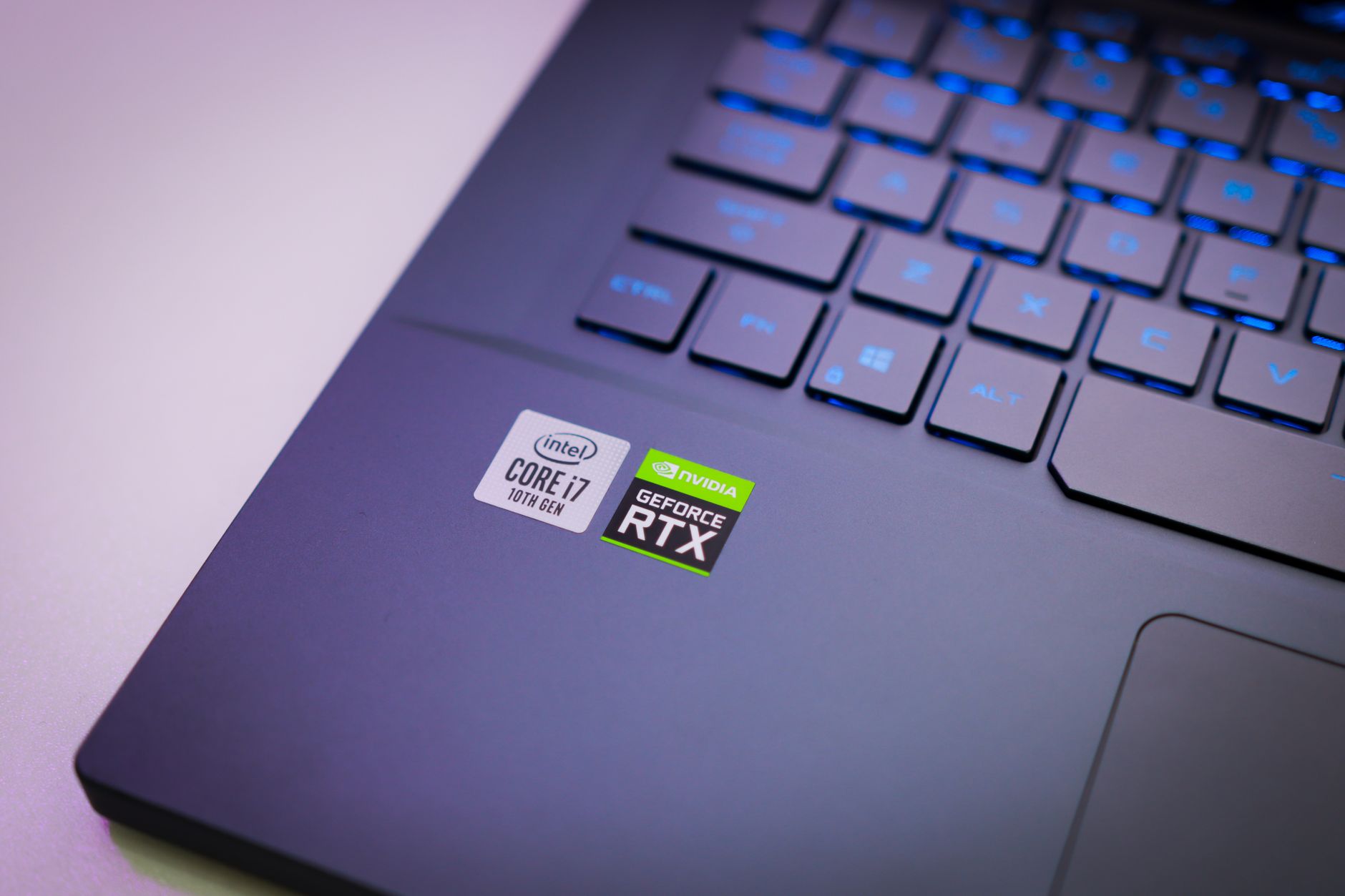
NVIDIA Dory 1.0 release marks a significant advance in technology for laptops. This new model, introduced by NVIDIA’s Nemotron Labs, promises quiet operation and impressive performance.
Overview of NVIDIA Dory 1.0
NVIDIA has officially launched the highly anticipated Dory 1.0, a groundbreaking addition to its lineup that promises to redefine quiet high-frequency (HF) innovations. This release comes from the renowned NVIDIA Nemotron Labs, known for pushing the boundaries of technology.
Dory 1.0 is designed to operate efficiently while maintaining a low acoustic profile, making it an ideal choice for various applications that require high performance without the disruptive noise associated with traditional systems. This innovation aims to enhance user experience in settings ranging from data centers to AI research facilities.
Some key features of NVIDIA Dory 1.0 include:
- Enhanced Performance: With advanced processing capabilities, Dory 1.0 delivers exceptional speed and efficiency.
- Reduced Noise Levels: The innovative design minimizes operational sound, providing a quieter working environment.
- Scalability: Ideal for both small and large-scale deployments, Dory 1.0 adapts to various user needs.
As more industries look to adopt quieter technologies, the release of NVIDIA Dory 1.0 marks a significant milestone in the evolution of HF systems, setting new standards for performance and user satisfaction.
Key Features of Dory 1.0
The release of NVIDIA Dory 1.0 brings a host of innovative features that set it apart in the high-frequency (HF) technology landscape. Here are some of the key features that users can expect:
- Enhanced Performance: Dory 1.0 boasts a remarkable 4 billion parameters, which significantly improves processing speed and efficiency compared to its predecessors.
- Quiet Operation: Designed with a focus on reducing noise levels, Dory 1.0 ensures that high-frequency computations occur without disruptive sound, making it ideal for both professional and personal use.
- Advanced Algorithms: The inclusion of cutting-edge algorithms allows for more accurate data analysis and processing, enabling users to gain deeper insights.
- User-Friendly Interface: NVIDIA has prioritized usability, providing an intuitive interface that simplifies navigation and enhances the overall user experience.
- Scalability: Dory 1.0 is designed to easily integrate with existing systems, making it a flexible option for various applications in the tech industry.
With these features, NVIDIA Dory 1.0 redefines what users can expect from HF technology, making it a leading choice for professionals looking to leverage the latest advancements.
Why the NVIDIA Dory 1.0 Release Matters
The release of NVIDIA Dory 1.0 marks a significant milestone in the world of high-frequency (HF) trading technology. This innovative platform is designed to address the growing demands for speed and efficiency in financial markets. As trading becomes increasingly intricate, the need for advanced tools that can handle large datasets and execute trades with minimal latency is crucial.
One of the primary reasons the NVIDIA Dory 1.0 release matters is its ability to operate quietly, which minimizes the risk of market disturbances. This is particularly important in environments where every millisecond counts. The architecture of Dory 1.0 has been optimized to enhance processing power while reducing noise, allowing traders to focus on strategy rather than technical limitations.
Moreover, the Dory 1.0 platform empowers firms to leverage machine learning and artificial intelligence in their trading strategies. By incorporating these technologies, traders can gain deeper insights into market trends and make more informed decisions. The potential for improved predictive capabilities can lead to more profitable trades and a competitive edge in the market.
In conclusion, the NVIDIA Dory 1.0 release is not just another update; it represents a new era of quiet and efficient HF trading solutions that can transform how traders operate.
User Reactions to Dory 1.0
The release of NVIDIA Dory 1.0 has sparked a range of reactions from users and industry experts alike. Many have praised the innovation for its ability to significantly reduce noise levels while maintaining high performance, making it a game-changer in the field of high-frequency computing.
Users took to social media to express their enthusiasm:
- “Finally, a product that delivers on both performance and quiet operation! Dory 1.0 is a must-have!”
- “NVIDIA has outdone themselves with Dory 1.0. The reduction in noise allows for a more comfortable working environment.”
- “I was skeptical at first, but the benchmarks show that Dory 1.0 lives up to the hype. It’s the best of both worlds!”
However, not all feedback has been positive. Some users have noted challenges with integration into existing systems, expressing concerns about compatibility:
- “While Dory 1.0 is impressive, it took me longer than expected to get it working with my current setup.”
- “Great product, but I wish there were more resources available for troubleshooting.”
Overall, the user reactions to NVIDIA Dory 1.0 reflect a mixture of excitement and caution, showcasing the impact of this quiet HF innovation on the market.
Comparing Dory 1.0 to Previous Models
When comparing the NVIDIA Dory 1.0 release to its predecessors, several key advancements stand out that highlight significant improvements in performance and efficiency. While earlier models laid the groundwork for high-frequency innovations, Dory 1.0 elevates the standard with its quiet operation and enhanced capabilities.
- Noise Reduction: One of the most notable enhancements in Dory 1.0 is its ability to operate with minimal noise. Previous models often struggled with overheating and noise issues, which could disrupt the user experience.
- Performance Metrics: Dory 1.0 boasts impressive benchmarks, showing marked improvements in speed and processing power compared to earlier versions. Users can expect faster computations and smoother workflows.
- Energy Efficiency: This new model is designed with energy conservation in mind. It consumes less power while delivering superior performance, a significant upgrade from the older models that were less efficient.
- Scalability: Dory 1.0 offers better scalability options, allowing users to adapt the system to their growing needs, a feature that was limited in previous iterations.
Overall, the Dory 1.0 release sets a new benchmark in quiet high-frequency technology, significantly outpacing its predecessors in multiple aspects.
Future of NVIDIA’s Laptop Innovations
The release of NVIDIA Dory 1.0 marks a significant milestone in the evolution of laptop technology, particularly in the realm of quiet high-frequency innovations. Moving forward, NVIDIA is poised to expand its influence in the laptop market by incorporating cutting-edge advancements that enhance performance while maintaining low noise levels.
With the introduction of Dory 1.0, several potential avenues for future innovations can be anticipated:
- Enhanced Thermal Management: Future models may feature improved cooling systems that further reduce noise and heat generation, allowing for even quieter operation.
- Integration of AI Technologies: NVIDIA could leverage artificial intelligence to optimize performance and power consumption, ensuring that users receive the best experience without compromising on silent functionality.
- Expanded Use Cases: As remote work and gaming continue to intertwine, the demand for quiet laptops will rise, prompting NVIDIA to explore designs that cater to both professional and recreational users.
- Broader Collaborations: Collaborating with other tech leaders may lead to new partnerships aimed at integrating Dory 1.0 technology into a wider range of devices.
Overall, the NVIDIA Dory 1.0 release sets the stage for a new era in laptop innovation, emphasizing the importance of quiet operation in an increasingly noisy digital world.
The NVIDIA Dory 1.0 release has set a new standard in high-frequency trading by prioritizing both speed and silence. Traders are eager to explore the features introduced in the NVIDIA Dory 1.0 release, which promises to enhance their trading strategies significantly.
Photo by Foysal Ahmed on Pexels