








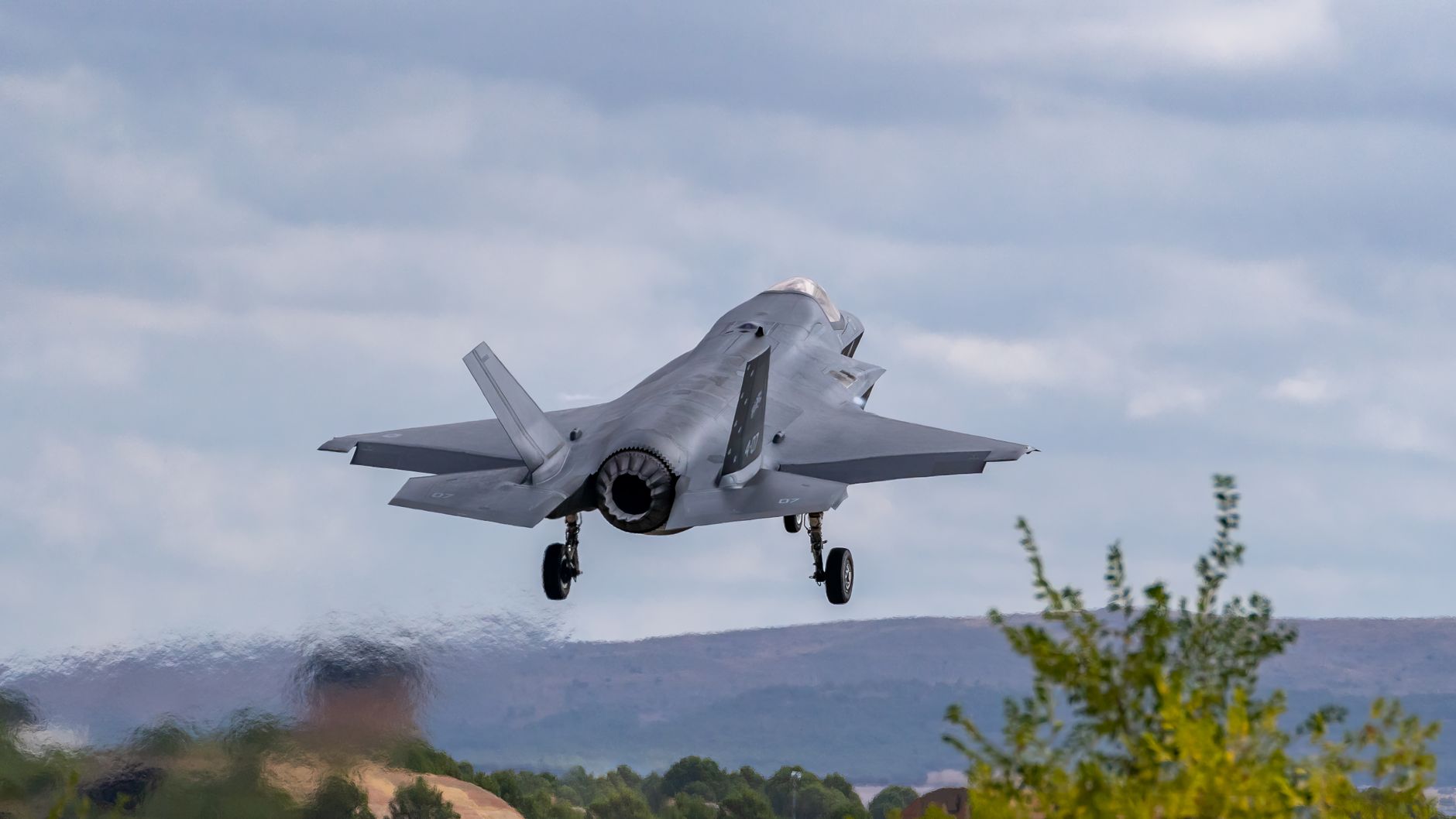
Danish F-35 Fighters have landed in Greenland for a historic NATO Arctic mission, showcasing the alliance’s commitment to security in the region.
Overview of the NATO Arctic Mission
The NATO Arctic Mission has showcased the strategic importance of modern air power, particularly with the deployment of Danish F-35 Fighters. This mission aims to enhance security and demonstrate the alliance’s commitment to protecting its northern territories.
Operating in the challenging Arctic environment, the Danish F-35 Fighters are equipped with advanced stealth capabilities, allowing them to conduct surveillance and reconnaissance missions effectively. The objectives of the mission include:
- Strengthening regional defense: Ensuring that NATO forces are prepared to respond to any potential threats in the Arctic.
- Enhancing cooperation: Fostering collaboration among NATO allies through joint training and exercises.
- Demonstrating capabilities: Showcasing the advanced technology of the Danish F-35 Fighters in real-world scenarios.
This historic mission marks a significant step in NATO’s operational readiness in the Arctic region.
Significance of the Danish F-35 Fighters
The deployment of the Danish F-35 Fighters marks a significant milestone in NATO’s Arctic strategy. These advanced stealth aircraft enhance the alliance’s operational capabilities in a region known for its challenging conditions and strategic importance.
The Danish F-35 Fighters play a crucial role in ensuring security and deterrence in the Arctic, where geopolitical tensions are rising. Their sophisticated technology allows for superior surveillance and engagement in harsh environments, making them an invaluable asset for NATO operations.
The successful integration of these fighters into the mission not only demonstrates Denmark’s commitment to collective defense but also showcases the adaptability of the F-35 program. As NATO continues to evolve in response to emerging threats, the presence of the Danish F-35 Fighters underscores the alliance’s readiness to operate effectively in remote and demanding theaters.
Technological Advancements in Stealth Aviation
The Danish F-35 Fighters represent a significant leap forward in stealth aviation technology, enhancing the capabilities of NATO in challenging environments. These advanced aircraft are equipped with cutting-edge features that improve their operational effectiveness in Arctic conditions.
Key technological advancements include:
- Stealth Capabilities: The design minimizes radar cross-section, allowing the aircraft to operate undetected.
- Advanced Sensor Fusion: Integrated systems provide pilots with comprehensive situational awareness, crucial for missions in remote areas.
- Enhanced Mobility: The F-35’s agility and range enable rapid response to emerging threats in dynamic environments.
As the Danish F-35 Fighters continue to demonstrate their effectiveness during the NATO Arctic Mission, they solidify Denmark’s role in ensuring security and stability in the region.
International Reactions to the Mission
The recent deployment of Danish F-35 Fighters in the NATO Arctic Mission has garnered significant international attention. Several NATO allies have praised the effectiveness and strategic importance of these advanced stealth aircraft in enhancing regional security.
Many military experts have noted that the successful integration of Danish F-35 Fighters into joint operations demonstrates a strong commitment to collective defense. Key reactions include:
- United States: Officials highlighted the operational capabilities of the F-35s, emphasizing their role in deterrence.
- Norway: Norwegian defense representatives expressed enthusiasm for collaborative exercises and information sharing.
- Canada: The Canadian government acknowledged the significance of the mission in fostering Arctic cooperation among allies.
As the mission progresses, the focus remains on the Danish F-35 Fighters’ ability to adapt to the challenging Arctic environment while solidifying NATO’s presence in the region.
Challenges Faced by NATO in the Arctic
The NATO Arctic Mission has encountered several challenges that test the resilience and capabilities of its forces. One of the primary obstacles has been the harsh environmental conditions characteristic of the Arctic region. These conditions include:
- Sub-zero temperatures
- Heavy snowfall
- Limited visibility
Furthermore, logistical difficulties in transporting supplies and personnel to remote locations have hindered operations. The integration of the Danish F-35 Fighters has provided significant advantages, particularly in terms of surveillance and response time. However, the ongoing threat of unpredictable weather patterns poses a constant challenge to mission success. Additionally, ensuring effective communication among NATO allies in these conditions remains critical. The Danish F-35 Fighters are proving essential in addressing these issues, showcasing their capability to operate effectively in one of the world’s most demanding environments.
Future of Military Operations in Greenland
The successful deployment of Danish F-35 Fighters in Greenland marks a pivotal shift in military operations within the Arctic region. As NATO continues to enhance its presence, these advanced stealth aircraft are set to play a crucial role in future missions. The operational capabilities of the F-35s allow for unparalleled surveillance and rapid response, vital in the face of shifting geopolitical dynamics.
Furthermore, the integration of Danish F-35 Fighters into NATO operations emphasizes the importance of collaboration among member nations. Future military strategies will likely prioritize joint exercises and training that leverage the unique advantages of these advanced fighters.
In addition, the Arctic’s challenging environment necessitates innovative solutions for logistics and support. As nations invest in infrastructure, the Danish F-35s will ensure that NATO maintains a strategic edge in safeguarding interests in this critical region.
Training and Readiness of the Danish Air Force
The Danish Air Force has demonstrated exceptional training and readiness, particularly with the integration of the Danish F-35 Fighters into their operations. This advanced fleet is not only pivotal for national defense but also enhances NATO’s strategic capabilities in the Arctic region.
Key elements of their preparedness include:
- Rigorous Training Programs: Pilots undergo extensive training exercises to ensure they can operate effectively in varying Arctic conditions.
- Joint Exercises: Collaboration with NATO allies has been crucial, allowing for shared knowledge and tactics tailored to the unique challenges of the region.
- Maintenance Efficiency: The Danish F-35s are supported by a robust maintenance framework, ensuring the aircraft remain mission-ready at all times.
The commitment of the Danish Air Force to maintain high operational standards illustrates their readiness to engage in future missions, reinforcing Denmark’s role in NATO’s Arctic strategy.
Conclusion: Strengthening NATO’s Arctic Presence
In conclusion, the deployment of the Danish F-35 Fighters marks a significant enhancement of NATO’s operational capabilities in the Arctic region. The successful integration of these advanced stealth aircraft not only demonstrates Denmark’s commitment to collective defense but also reinforces the alliance’s strategic posture against emerging threats in the polar environment.
The collaboration among NATO members, particularly in the challenging Arctic terrain, underscores the importance of unified efforts in maintaining security and stability. The Danish F-35 Fighters have proven their worth through rigorous training exercises, showcasing their adaptability and effectiveness in various scenarios. As geopolitical tensions continue to evolve, the presence of these formidable aircraft will play a crucial role in deterring potential adversaries.
Ultimately, the historic mission reflects NATO’s resolve to strengthen its Arctic presence and ensure the region remains secure for all member nations.
Photo by Rafael Minguet Delgado on Pexels
References
Related stories
Yamaha FS1R Synthesizer emulation: Best Proven Features · Pixel 10 price drop: Is it worth the new lower cost? · Toyota GR GT3: The Best Racing Car You Can Buy